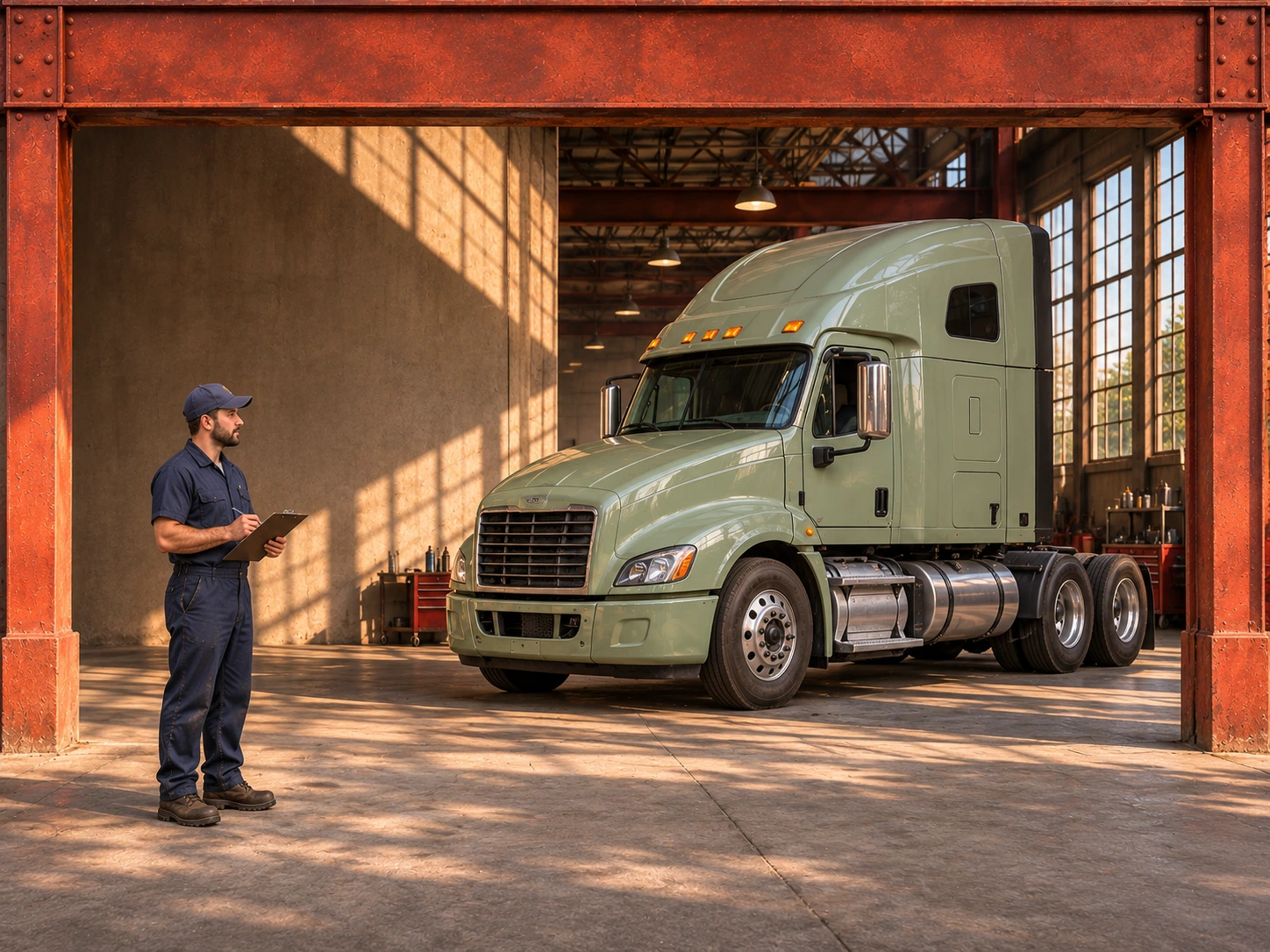
BRING IT IN.
Tell us about your truck, the work it does and what you’re noticing. We’ll discuss the next step.
THE CONVERSATION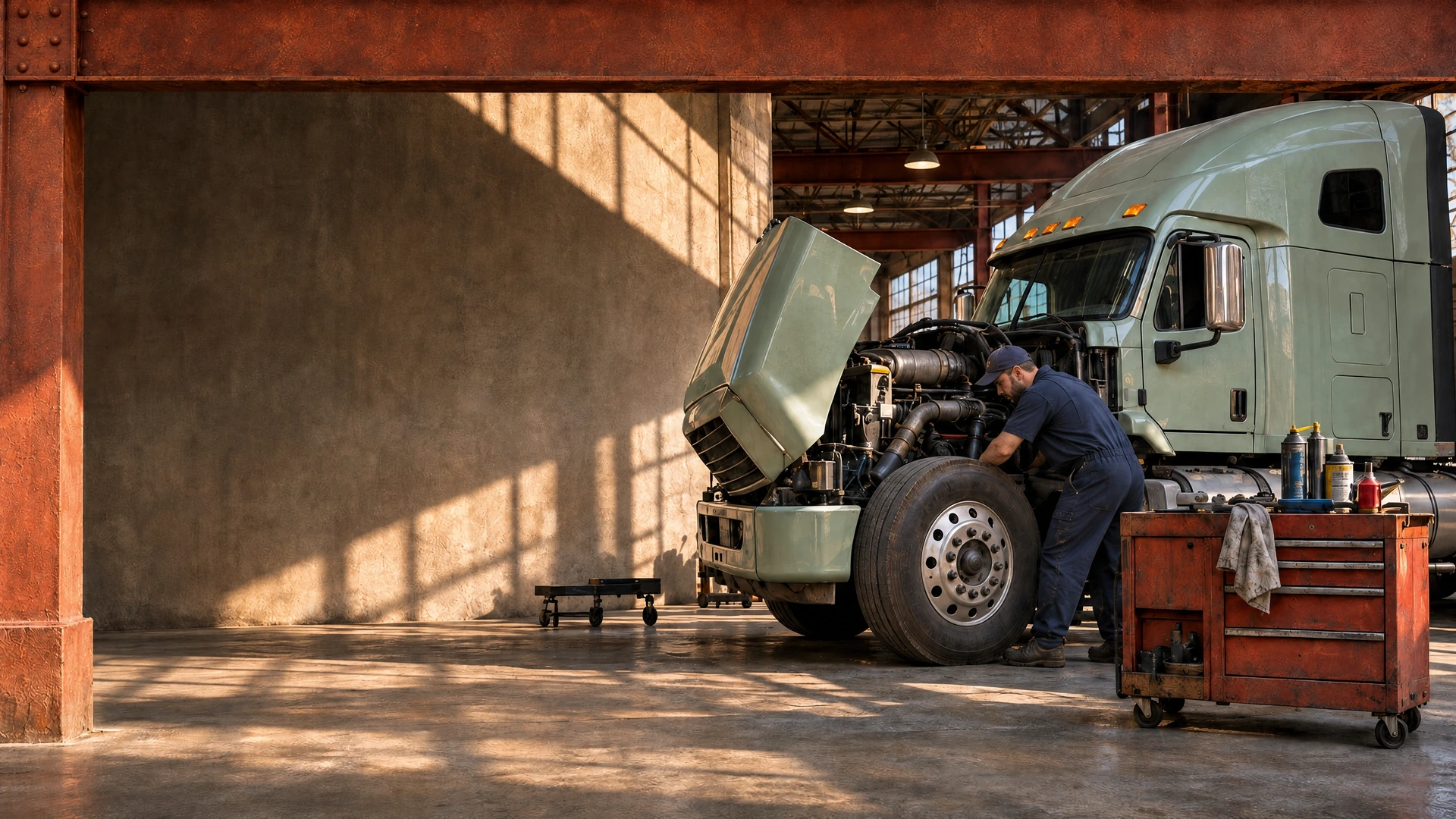
A warning light. A noise that wasn’t there yesterday. A service that’s due. We start by listening, then get our hands on the problem.
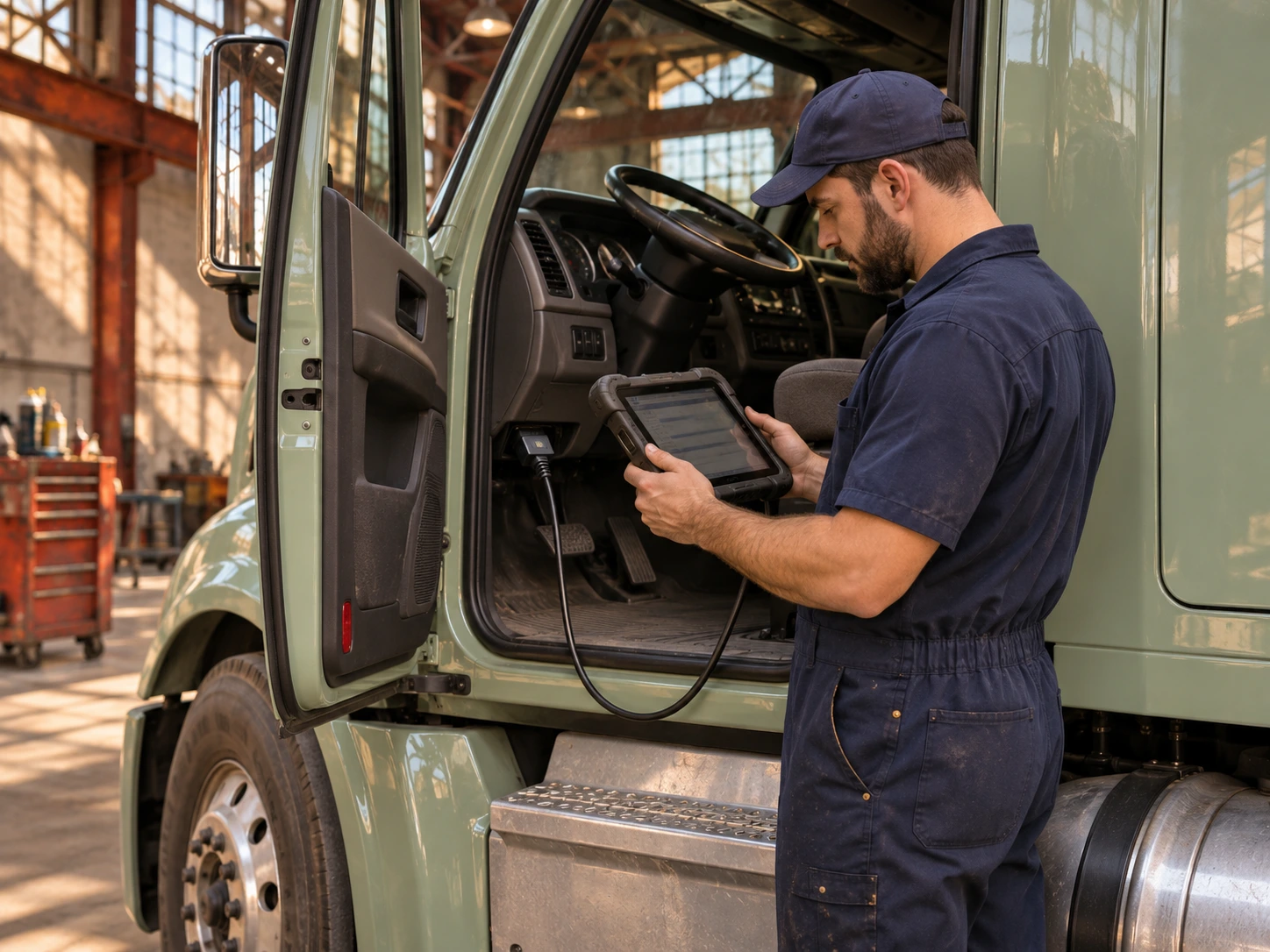
Warning lights, a change in performance or an electrical concern: tell us when it began and what the truck was carrying. We work through the findings with you before agreeing the next step.
Braking systems, hubs and bearings carry the load. Describe any noise, vibration or change in feel; we inspect the relevant components and explain what needs attention before you approve the work.
Bring us the vibration, clunk or leak — and note whether it happens while accelerating, coasting or carrying a load. We can then discuss the relevant driveshaft, clutch or driveline checks before agreeing the work.
Bring mileage or engine hours and recent service records. We use the truck’s duty cycle and work ahead to discuss due servicing, inspection priorities and a visit that fits the plan.
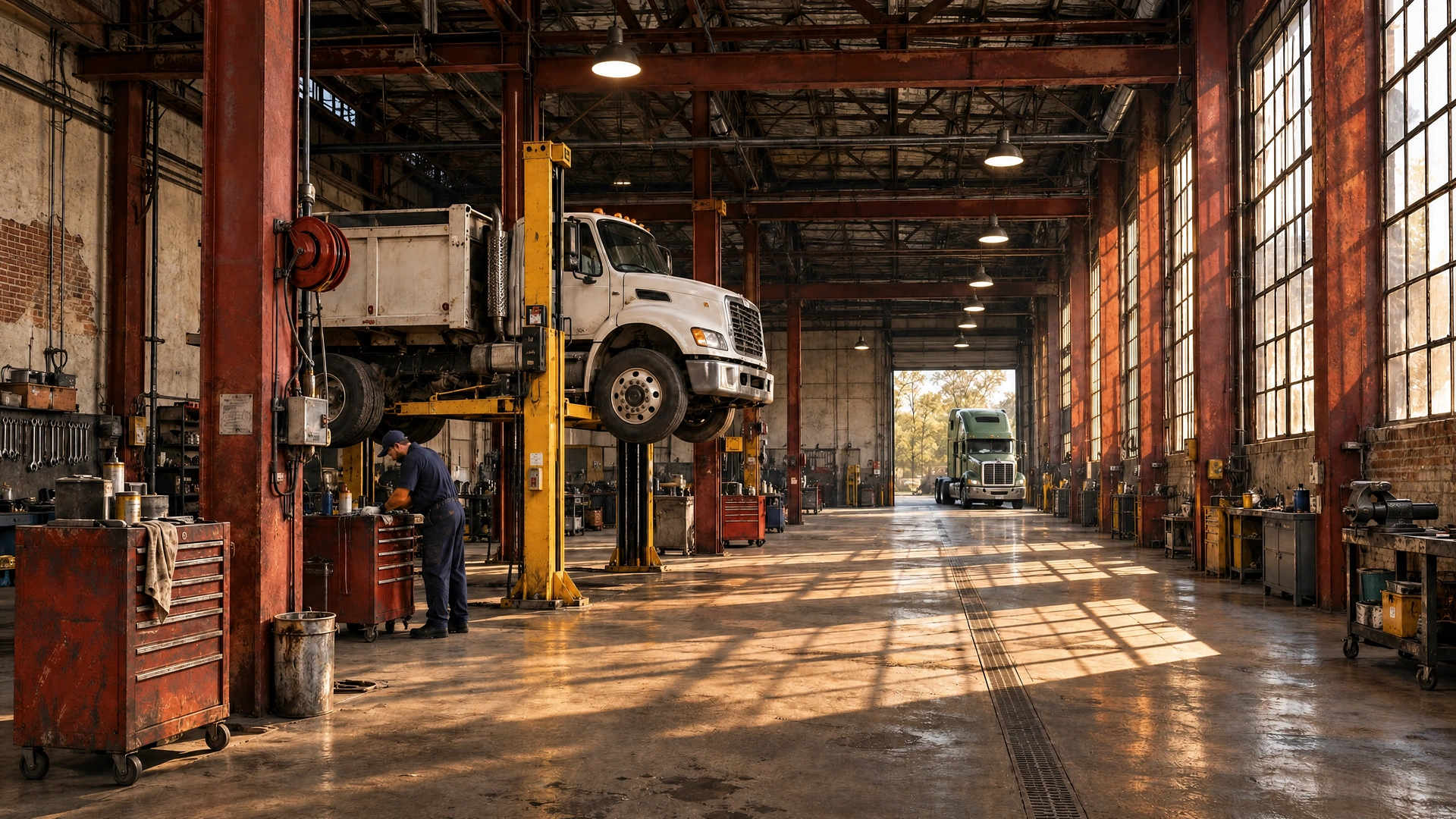
A working shop for working trucks.
Space to inspect. Time to understand.
People who get their hands dirty.
Room to get underneath the problem and work through the findings with you.
SELECT A NUMBER TO LOOK AROUNDGood repairs begin with a conversation.
Here’s how we keep you in the loop.
Tell us about your truck, the work it does and what you’re noticing. We’ll discuss the next step.
THE CONVERSATION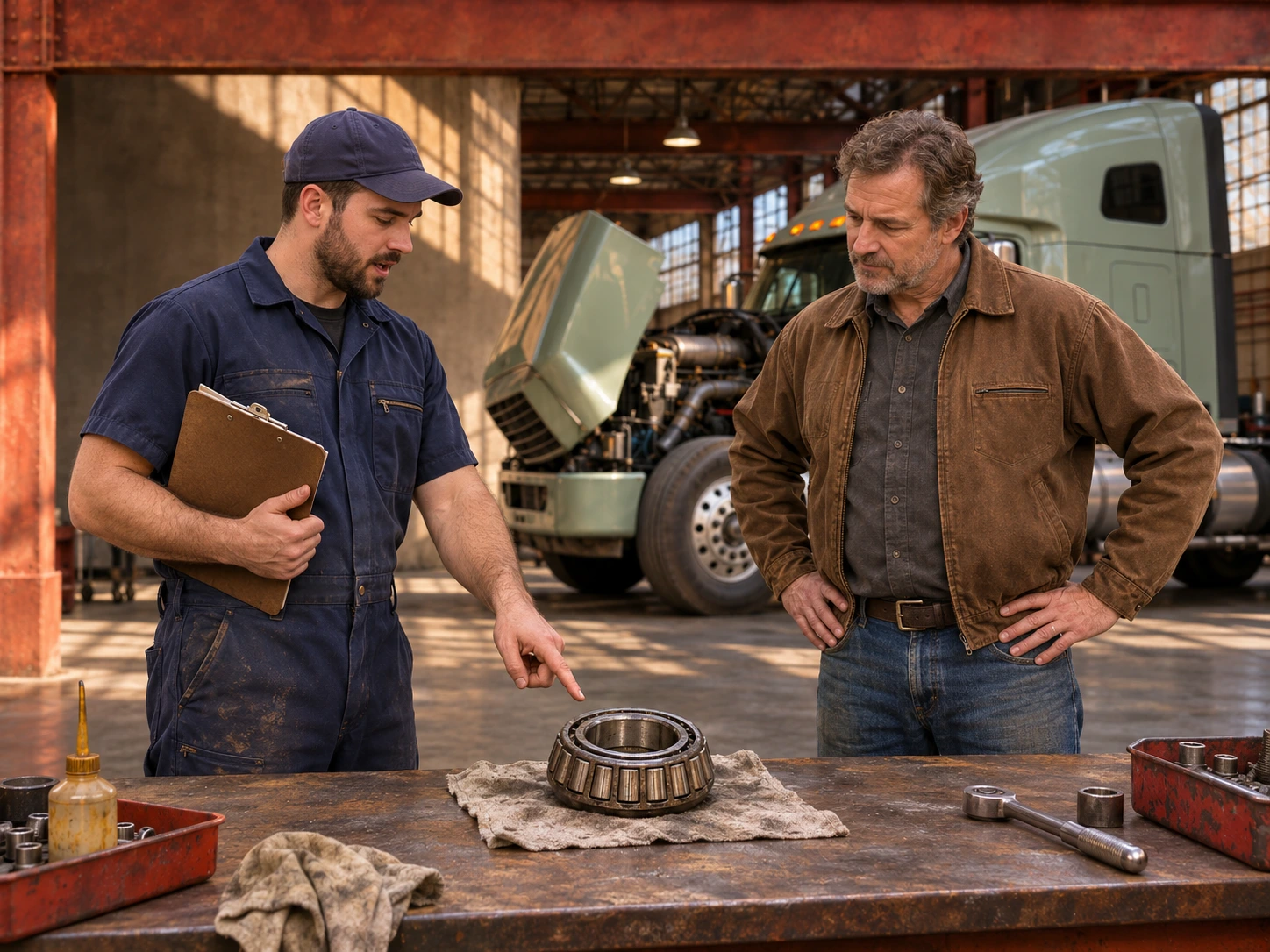
We inspect, explain the findings and talk you through the scope. You approve the plan before repairs begin.
THE CLEAR PLAN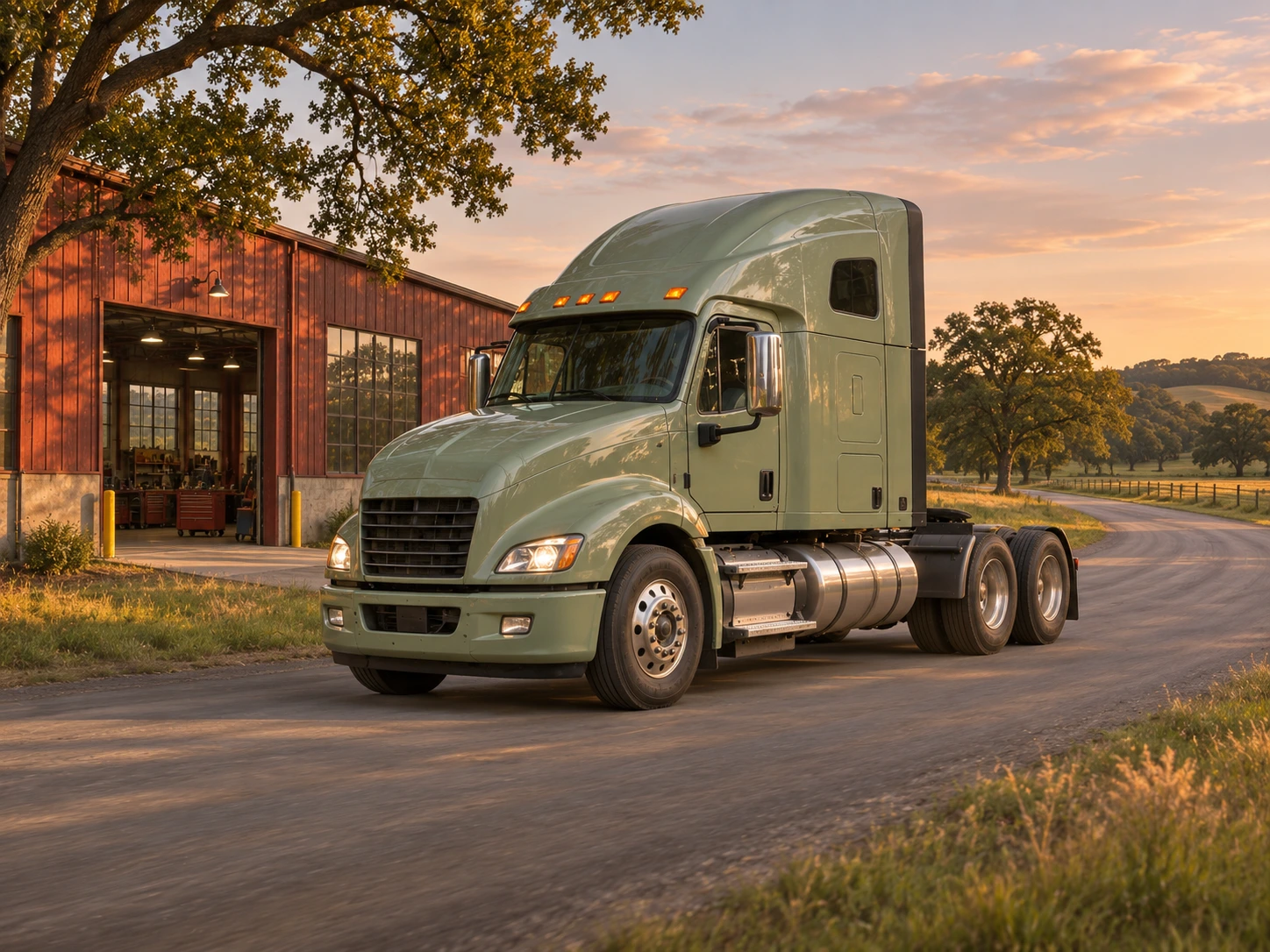
We complete the agreed work and check the repair. At collection, review what was done, anything still open and the next checks or maintenance to keep on your record.
THE WAY FORWARDYour trucks have a job to do. Let’s make looking after them part of the plan, with maintenance that fits how your business works.
Choose your fleet size.
Plan service around the routes you run, the miles you cover and the time you can spare.
A few things worth knowing
before we pick up the tools.
Our focus is heavy trucks and commercial fleet vehicles. Share the make, model, year, height and weight, plus any trailer or fitted equipment. Confirm access and the requested work before arranging arrival.
Start by describing the issue. Some jobs need an inspection before the scope can be established. Findings and the proposed repair should be discussed with you before approved work begins.
Yes — the fleet-care enquiry is designed to begin that conversation. Include the number of vehicles, how they are used and any maintenance records you already keep.
Your contact details, truck make and model, any warning lights or symptoms, and when you first noticed the issue. For a fleet, include the size and type of vehicles.
Big job or a small concern.
Tell us what needs attention.